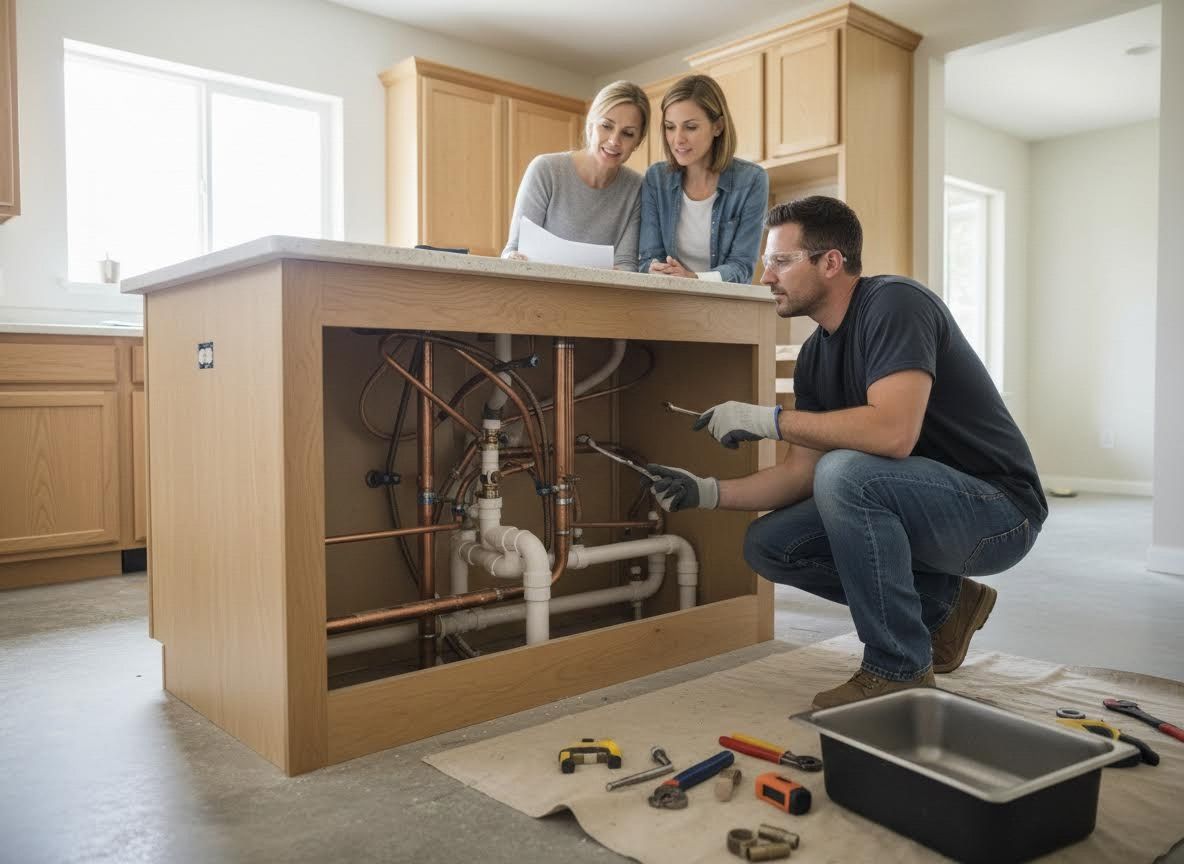
Considering moving your kitchen sink as part of a remodel? This seemingly straightforward change can actually involve significant plumbing challenges, requiring careful planning and expert execution to ensure proper function and avoid costly issues. Advanced Plumbing Repairs understands the intricacies of pipe relocation, ensuring your kitchen transformation goes smoothly. We'll explore what's involved when you decide to relocate this essential fixture.
Why Relocate Your Kitchen Sink?
Often, homeowners decide to move their kitchen sink to optimize space, improve workflow, or enhance the aesthetic appeal of their kitchen during a renovation. Whether you're opening up a wall, adding an island, or simply rearranging appliances for a more efficient layout, repositioning your sink can be a central part of achieving your design goals. This decision, however, directly impacts your home's water supply and drainage systems, making it a project that extends far beyond just cabinetry and countertops. Understanding the scope early on is crucial for a successful remodel.

The Complexities of Pipe Relocation
Moving a kitchen sink means more than just extending a few pipes. It involves carefully rerouting both the hot and cold water supply lines, as well as the drain line. The supply lines need to maintain adequate water pressure to the new location, while the drain line must be correctly sloped to ensure proper wastewater flow and prevent blockages. Depending on how far the sink is moved, this could involve extensive modifications to your existing plumbing system, sometimes bordering on a small-scale residential house repiping service within the kitchen area. Improper installation can lead to low water pressure, slow drainage, or even persistent leaks.
Ensuring Proper Drainage and Venting
A critical, yet often overlooked, aspect of relocating a kitchen sink is ensuring proper drainage and venting. All plumbing fixtures, especially sinks, require a vent pipe connected to the main vent stack to prevent a vacuum from forming in the drain, which can cause slow drainage and unpleasant gurgling noises. Moving a sink means extending or rerouting the vent pipes as well, ensuring they meet local plumbing codes. Without correct venting and a precise slope for the drain line, you could face recurring clogs, foul odors, and costly water damage, potentially requiring an emergency leak repair plumber down the line. This intricate work underscores why it's not a job for a novice.

The Value of Professional Expertise
When it comes to pipe relocation, the expertise of a licensed professional is invaluable. A skilled plumbing company will not only ensure that your new sink location is properly connected to the water supply and drainage systems but also guarantee that all work complies with local building codes. Their extensive experience helps prevent common pitfalls associated with DIY pipe relocation, such as insufficient water pressure, persistent leaks, or improper venting. From managing a comprehensive residential house repiping service to specialized jobs like sewer line repair, a master plumber brings a level of knowledge and precision that secures the longevity and efficiency of your home's plumbing.
Moving a kitchen sink is a project that demands more than just a new cabinet; it requires meticulous planning and expert plumbing knowledge to handle all aspects of pipe relocation successfully. From ensuring adequate water pressure to proper drainage, trusting a seasoned professional is key to a functional and leak-free result. For detailed insights into planning your next kitchen project, including any residential house repiping service needs or understanding the complexities of even minor sewer line repair, we invite you to explore the extensive resources available on the Advanced Plumbing Repairs website.