Cast iron sewer pipes were once the standard for durability in homes across the nation. However, even the most robust materials have a lifespan, and recognizing the signs of failure in your cast iron system is crucial for preventing costly damage and unsanitary conditions. Advanced Plumbing Repairs understands the challenges homeowners face with aging infrastructure and is here to guide you through identifying when it's time to consider a replacement.
The Lifespan and Degradation of Cast Iron Pipes
Cast iron pipes, commonly found in homes built before the 1970s, were praised for their strength and longevity, often expected to last 50 to 100 years. While this sounds impressive, various factors like soil conditions, fluctuating temperatures, chemical exposure from household cleaners, and continuous water flow can accelerate their degradation. Over time, the interior of these pipes can corrode, scale, and crack, reducing their diameter and structural integrity. This internal corrosion can lead to rough surfaces that trap debris, ultimately hindering proper drainage and leading to bigger problems.
Visible Indicators of Failing Sewer Lines
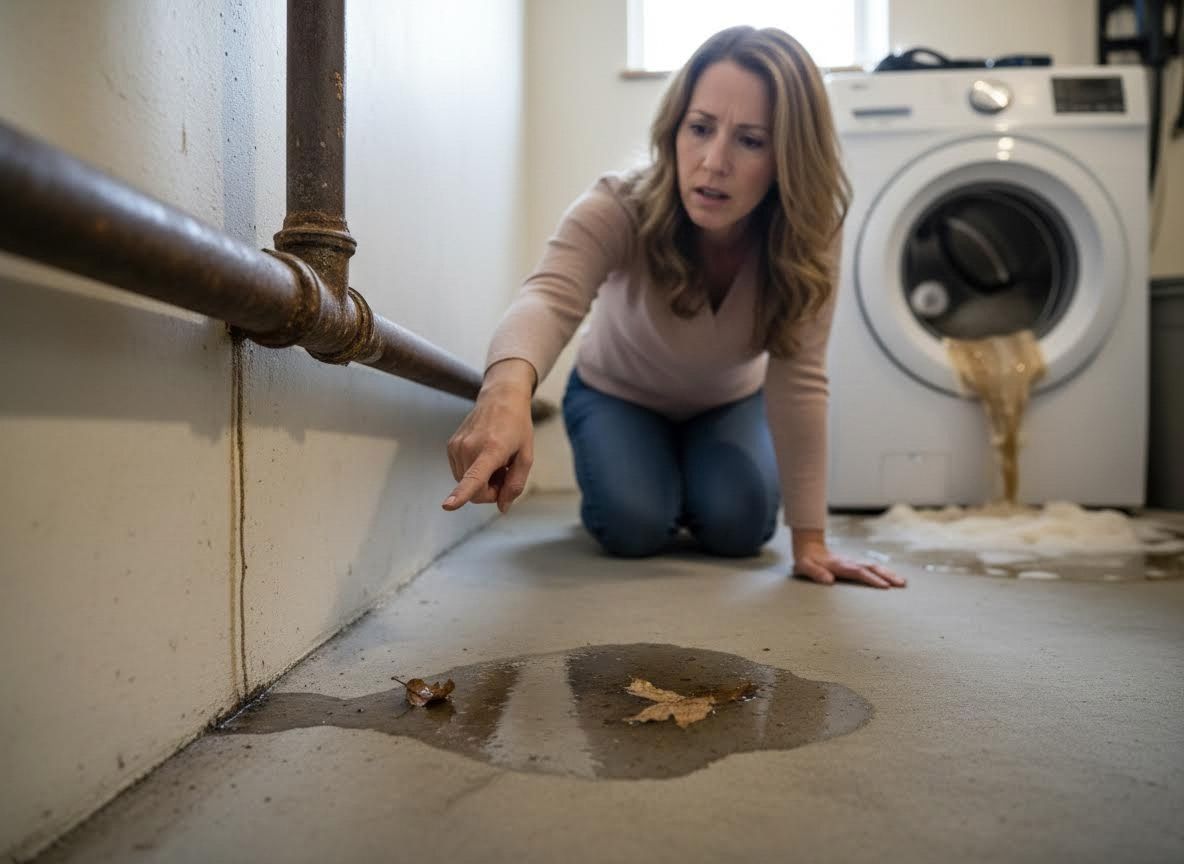
One of the most obvious signs that your cast iron sewer pipes are failing is persistent issues with your home's drainage. If you notice slow drains in multiple fixtures, frequent clogs, or gurgling sounds coming from toilets or sinks, it could be an indicator of significant blockages or damage within your sewer line. Another alarming sign is the presence of foul odors, often described as a sewage smell, emanating from drains, your yard, or even inside your walls. These odors suggest that sewage is leaking or backing up within the system. Ultimately, sewage backups are a clear and urgent signal that extensive sewer line repair is necessary, indicating a complete failure of the pipe's ability to transport wastewater away from your home efficiently.
Water Damage and Unseen Issues
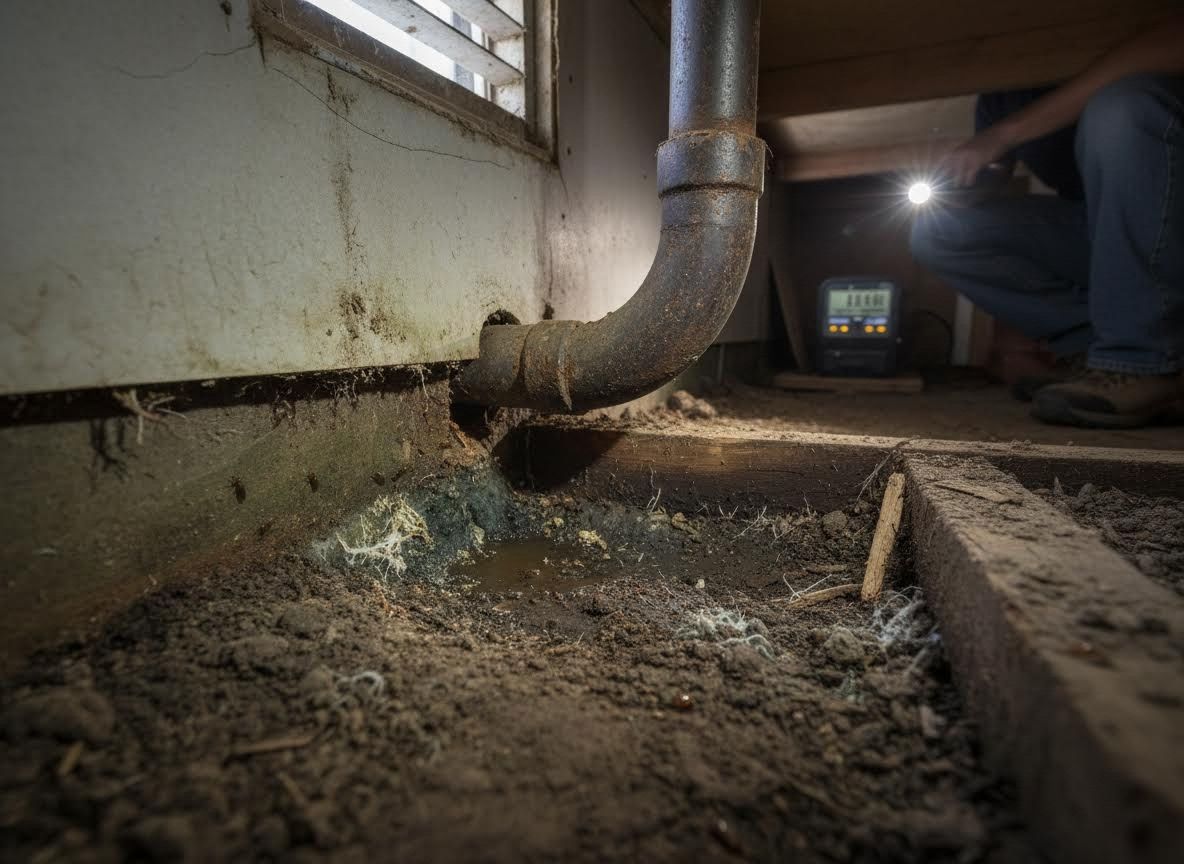
Beyond the visible drainage problems, failing cast iron sewer pipes can lead to more insidious issues, primarily water damage. Leaks, even small ones, can saturate the ground around your foundation, leading to structural damage, pest infestations, and the growth of mold and mildew within your home's walls or crawl spaces. An unexplained increase in your water bill could also point to a hidden leak in your main water line or sewer system. Addressing these issues promptly is vital to prevent further damage and maintain a healthy living environment. When facing such emergencies, an emergency leak repair plumber can swiftly diagnose and mitigate the problem. If leaks and persistent issues continue, a comprehensive solution like a residential house repiping service might be the most effective long-term fix.
Considering a Residential House Repiping Service
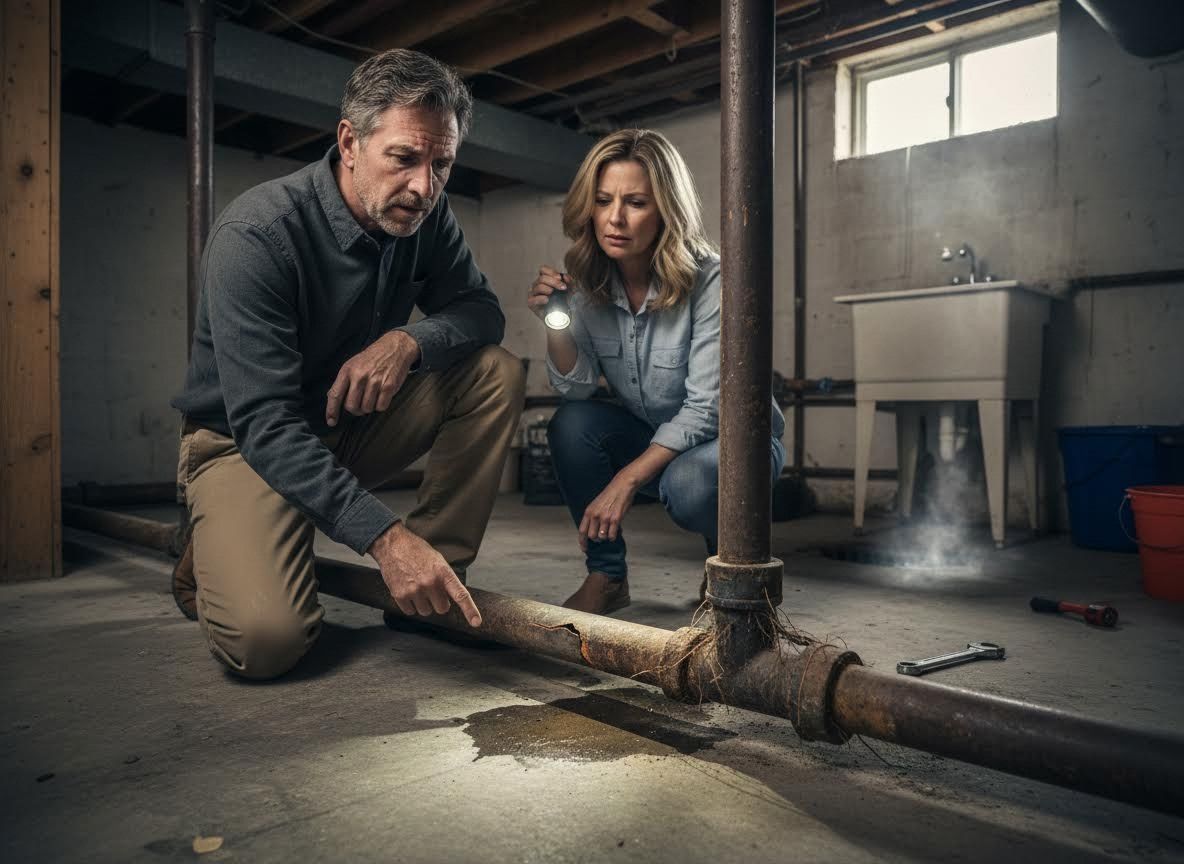
For many homeowners with aging cast iron sewer systems, simply patching up individual leaks or clogs becomes a temporary solution to a systemic problem. If your home is older and you're experiencing recurring issues, it's often more cost-effective in the long run to consider a complete residential house repiping service. This involves replacing the old, deteriorating cast iron pipes with modern, durable materials like PVC, which offer superior resistance to corrosion, tree root intrusion, and general wear and tear. This proactive approach not only resolves current plumbing headaches but also significantly improves your home's plumbing efficiency and protects your property value for decades to come.
Recognizing the signs of failing cast iron sewer pipes is the first step toward maintaining a healthy and functional home. From persistent clogs and foul odors to unexpected water damage, these indicators should prompt you to seek professional advice. Advanced Plumbing Repairs offers comprehensive inspections and solutions, including expert sewer line repair and residential house repiping service, ensuring your home's plumbing system is robust and reliable. Learn more about protecting your home by consulting with a licensed plumbing company today.