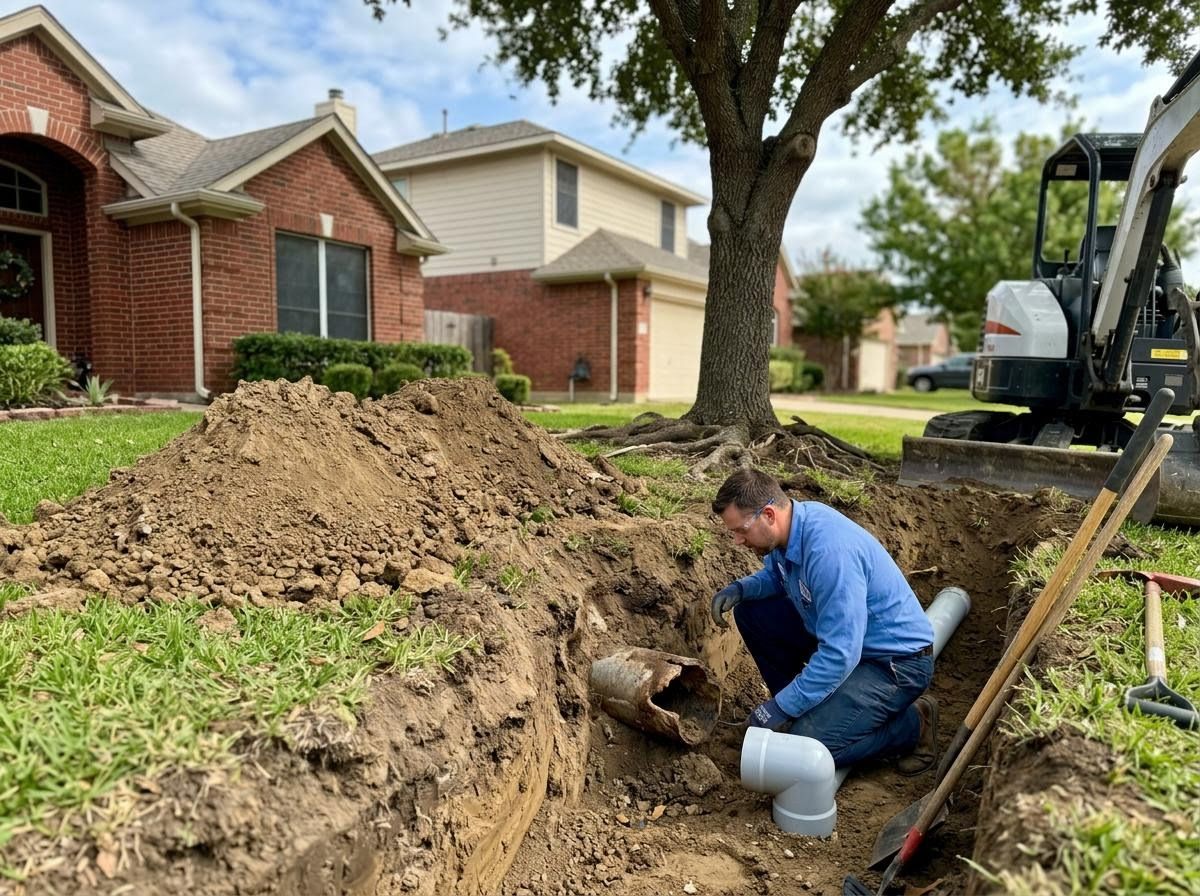
When facing a compromised sewer line, homeowners are often confronted with two primary solutions: traditional excavation or the more modern trenchless method. Understanding the differences between these approaches is crucial for making an informed decision that suits your property and budget. This guide, brought to you by Advanced Plumbing Repairs, will delve into each method, helping you determine which is the right choice for your home’s sewer line repair needs.
The Traditional Approach: Excavation
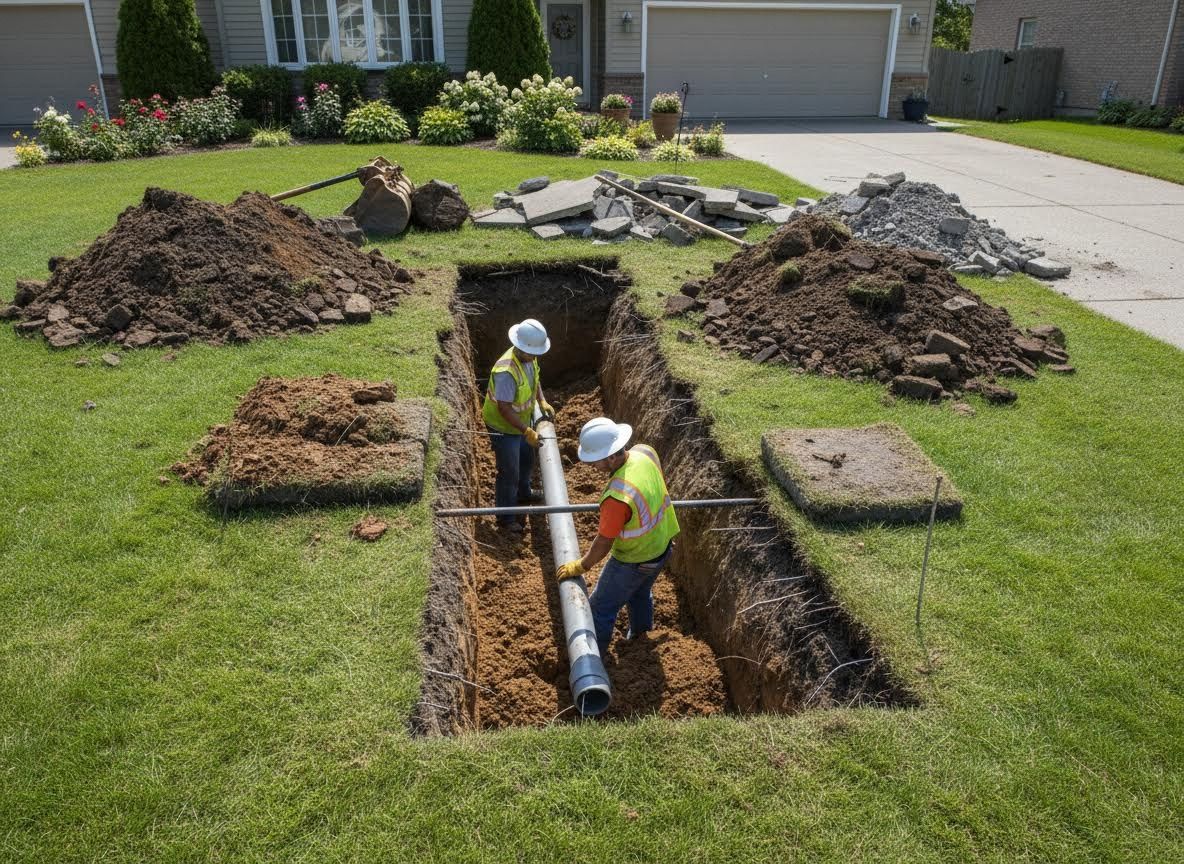
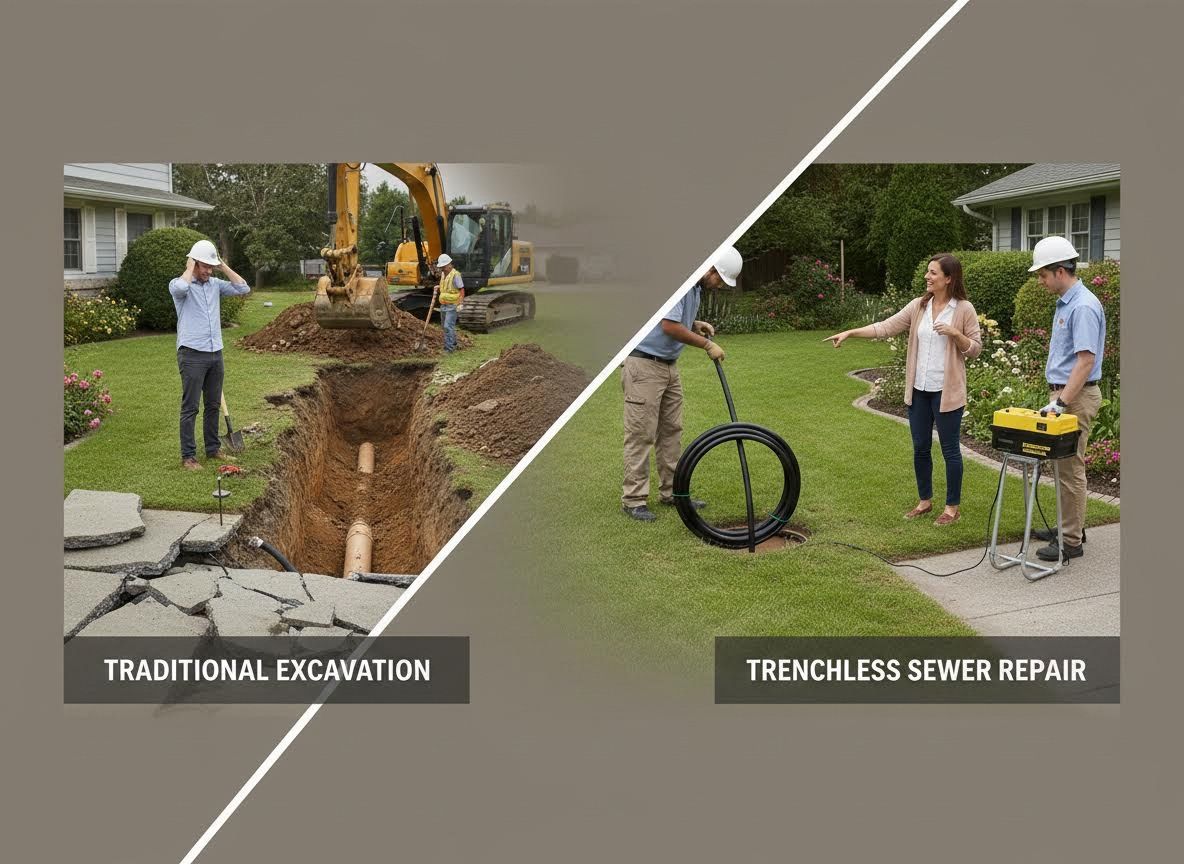
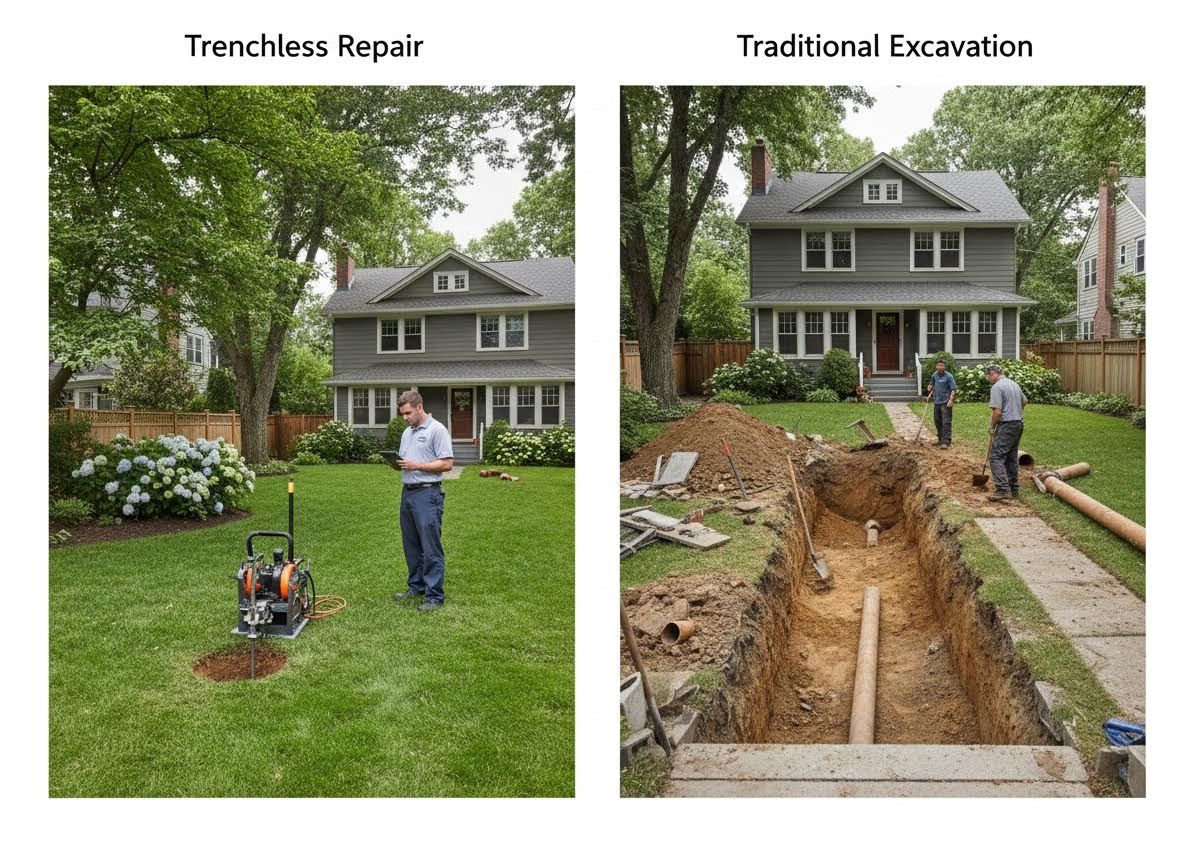
For decades, traditional excavation has been the standard method for sewer line repair. This process involves digging a trench to expose the entire length of the damaged pipe. Once uncovered, the old, damaged pipe sections are removed and replaced with new ones. This method provides direct access to the problem area, allowing for a thorough inspection and repair or complete replacement of the sewer line. While effective, traditional excavation is highly disruptive. It typically requires significant landscaping disruption, including digging up lawns, gardens, driveways, or even sections of concrete, which then need to be restored once the plumbing work is complete. The project can also take longer due to the extensive digging and subsequent restoration work involved.
The Modern Solution: Trenchless Sewer Repair
Trenchless sewer repair offers a less invasive alternative to traditional digging, minimizing damage to your property. There are primarily two trenchless techniques: pipe bursting and pipe lining. Pipe bursting involves pulling a new pipe through the old one, simultaneously breaking apart the old pipe while laying the new one in its place. Pipe lining, on the other hand, involves inserting a new, resin-coated liner into the existing damaged pipe. This liner then inflates and hardens, creating a new pipe within the old one. Both methods only require one or two small access points, significantly reducing the amount of excavation needed. This means less disruption to your landscaping, driveways, and other outdoor features, often resulting in a faster and cleaner resolution to your sewer line issues.
Deciding Between Trenchless and Traditional Methods
Choosing between trenchless and traditional sewer line repair depends on several factors, including the extent and type of damage, the location of the sewer line, your budget, and your tolerance for property disruption. Traditional excavation might be necessary for severely collapsed pipes or when the existing pipe is too corroded to support trenchless methods. It can also be a more cost-effective option for very short, easily accessible sections of pipe. Conversely, trenchless repair is ideal for longer stretches of pipe, especially those under structures, mature landscaping, or paved areas where preserving the surface is a priority. While trenchless methods can have a higher upfront cost, they often save money in the long run by eliminating the need for extensive landscape restoration. A thorough assessment by a professional plumbing company is crucial to determine the most effective and economical solution for your specific situation.
What's Best for Your Home?
Ultimately, the best approach for your sewer line repair will depend on a detailed evaluation of your home's unique plumbing situation. Understanding the benefits and drawbacks of both traditional excavation and trenchless methods is the first step. For expert advice and to explore the most suitable options for your residential house repiping service needs, consider reaching out to a licensed and experienced plumbing company. Advanced Plumbing Repairs is a locally owned and operated business with a Master Plumber bonded and insured, ready to provide honest assessments and reliable solutions. To learn more about our services or schedule a consultation, we invite you to explore our comprehensive offerings.